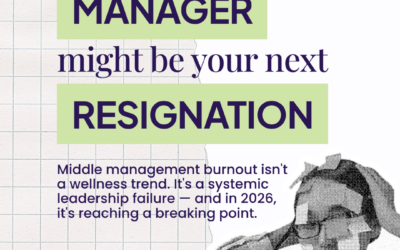

The Overworked Leader: Is Your To-Do List Never-Ending?
Leadership can often feel like a non-stop race — your to-do list keeps growing, crises demand immediate attention, and priorities pull you in every direction. If you constantly feel overwhelmed, you’re not alone. Many leaders find themselves trapped in a cycle of overwork, exhaustion, and frustration. But what causes this relentless busyness? Let’s explore the underlying reasons and how to break free.

1. The “Hero” Complex 🦸♂️
A common trap for leaders is the belief that they need to be the “hero” who solves every problem personally. You might think, “If I don’t step in, nothing will get done right.” While this desire to be dependable is understandable, it creates an unhealthy dynamic.
When you always rush in to fix things, your team starts to rely on you as the ultimate problem solver. This disempowers your team and stunts their growth. Worse, it overloads you with tasks that could be shared or delegated. Over time, this “hero” mentality leads to burnout and a bottleneck in progress. True leadership means trusting your team and allowing them to learn and grow—even if it’s messy at times.

2. Fear of Letting Go 🤲
Letting go and delegating can be terrifying. You worry others won’t do the job to your standards, or mistakes might reflect badly on you. This fear can cause you to hold tightly to tasks, even when your plate is full.
However, clinging to control limits your team’s potential. When you don’t delegate effectively, you become a bottleneck, slowing down progress and keeping yourself overwhelmed. The key is shifting your mindset — see delegation as building trust and capability, not losing control. By empowering your team to take ownership, you free yourself to focus on strategic priorities.

3. Lack of Clear Boundaries 🚧
In today’s always-connected world, setting boundaries between work and personal life is tougher than ever. Leaders often feel pressured to be “always on,” responding to emails, messages, and urgent requests around the clock.
But without clear boundaries, work creeps into every moment, eroding your ability to recharge and maintain focus. This constant availability breeds stress and exhaustion, leading to reduced effectiveness and even health issues. Learning to say no, setting specific “off” times, and communicating availability clearly aren’t signs of weakness—they’re essential practices for sustainable leadership.

4. Ineffective Delegation 🗂️
Delegation isn’t simply handing off tasks to others—it’s a deliberate process that requires insight, communication, and follow-up. Assigning the right tasks to the right people, providing clear instructions, and setting expectations are critical.
Poor delegation leads to confusion, missed deadlines, and rework—all of which increase your workload instead of decreasing it. When done well, delegation builds your team’s confidence and skill, creating a culture of ownership and accountability. Remember, your role as a leader includes coaching and supporting your team as they take on responsibilities.

5. Saying “Yes” Too Often 🙋♂️
Many leaders fall into the trap of saying “yes” to everything—whether it’s new projects, meetings, or last-minute requests. The desire to be seen as helpful and dependable can be strong, but overcommitting stretches your time and focus too thin.
Learning to say no or negotiate priorities is a powerful skill that protects your energy and effectiveness. It helps ensure that your efforts align with your goals and that you have enough bandwidth to truly deliver quality leadership. Saying yes less often doesn’t mean being less committed—it means being smarter with your time.

6. Perfectionism 🎯
Striving for high standards is admirable, but perfectionism can be a hidden productivity killer. The desire to perfect every detail often leads to delays, second-guessing, and unnecessary stress.
Leaders who struggle with perfectionism may spend excessive time tweaking reports or micromanaging projects instead of focusing on bigger-picture priorities. Embracing “good enough” when appropriate, making timely decisions, and accepting imperfection as part of progress can free up time and mental energy.

7. Lack of Systems and Processes ⚙️
Without clear workflows, routines, and systems, your day can easily become reactive. You spend more time putting out fires and less time on meaningful leadership activities. Lack of standardized processes also makes it harder to delegate effectively, as team members don’t have clear guidelines to follow.
Investing time upfront to create efficient processes streamlines work, reduces errors, and builds consistency. Well-designed systems empower your team to operate independently and free you to focus on strategy and vision.

8. It’s a Marathon, Not a Sprint 🏅
Leadership is a long-term journey, not a quick race. Trying to push hard every single day without rest will lead to burnout. Sustainable leadership requires pacing yourself, managing energy, and prioritizing self-care.
Treat your leadership role like a marathon—plan for endurance, incorporate breaks, and maintain a balanced lifestyle. This approach helps you stay effective and present for your team over the long haul.

Final Thought
If you feel like your to-do list is never-ending and your energy constantly drained, take a moment to reflect on these common traps. Awareness is the first step toward change. By letting go of the hero complex, setting boundaries, mastering delegation, and pacing yourself, you can lead more effectively and sustainably.
Ready to lead smarter, not harder?
👉 Follow CLS Asia on LinkedIn for practical leadership tips and strategies to boost your impact.