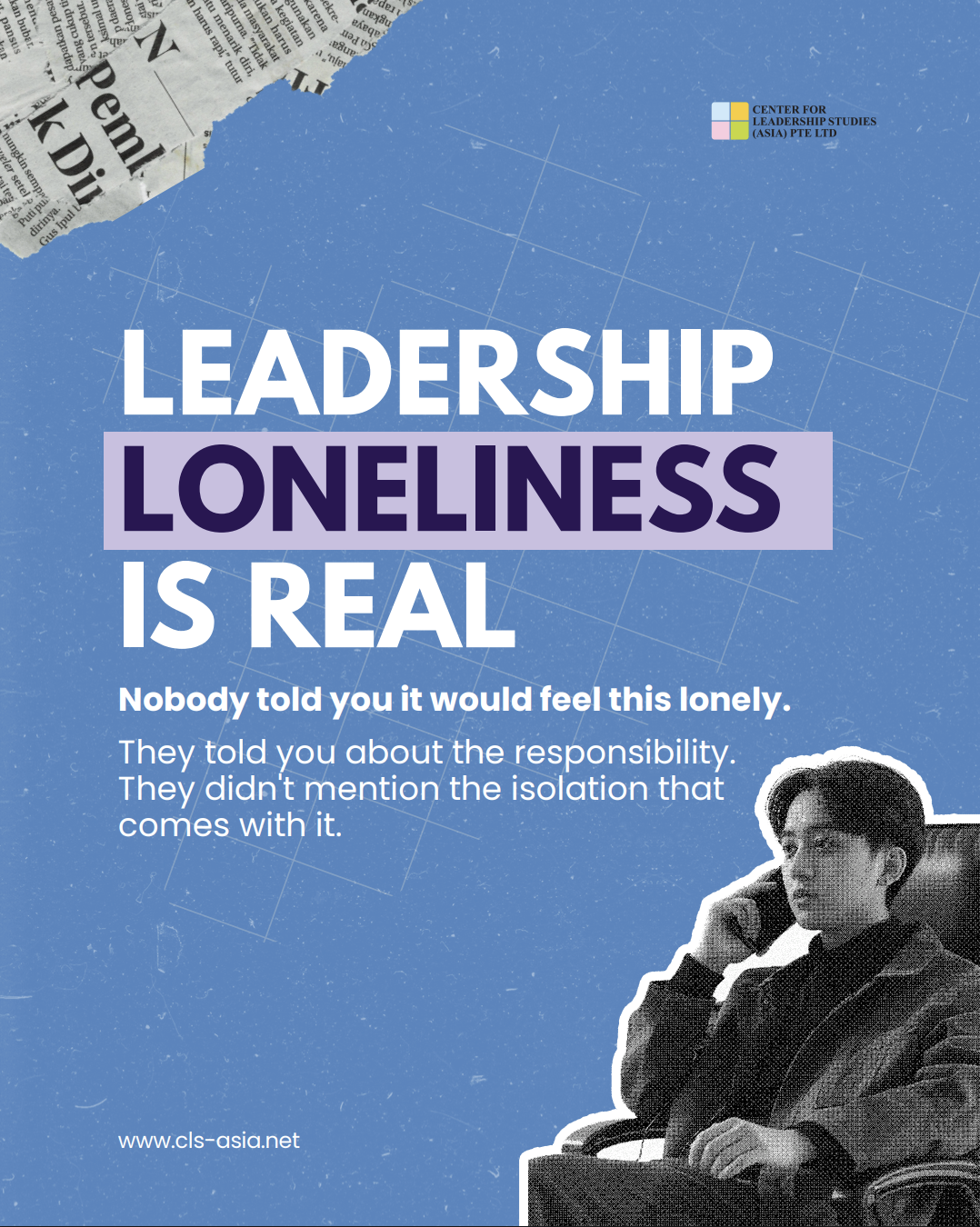
During a recent conversation at a leadership event, Joseph reflected on a moment that captured his daily reality: sitting alone past 7:00 on a Thursday evening after the office floor had emptied, left with the weight of decisions that ultimately stopped with him. When colleagues had asked how his day was going earlier that afternoon, Joseph offered his standard, reassuring response: “All good, just busy.” It kept the momentum going, but it didn’t capture the real weight of what he was carrying.
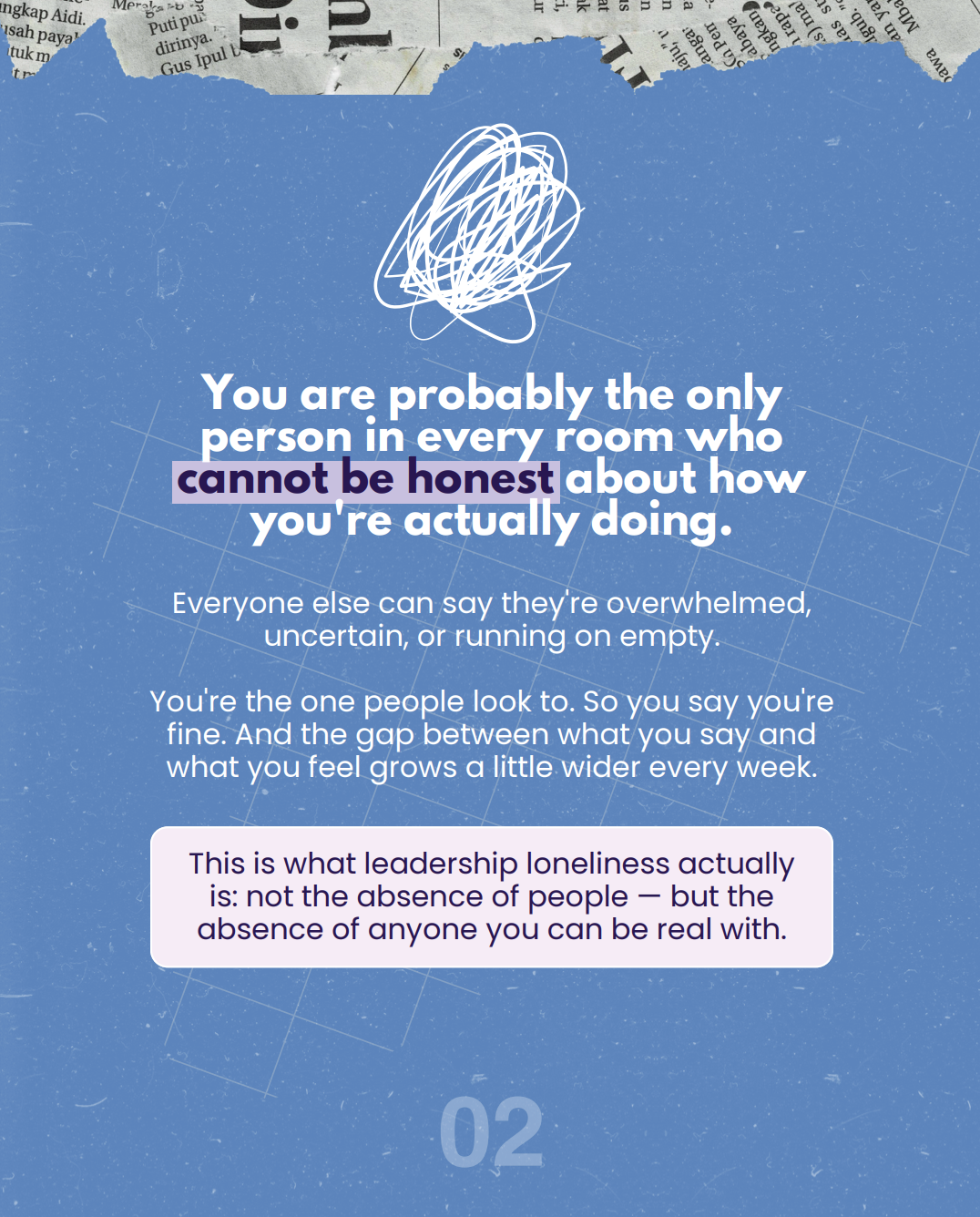
On paper, Joseph is thriving. His team hits every target, and all performance metrics are in the green. But nobody warned him about how isolating leadership can feel. While he was fully prepared for the strategic roadmaps, financial goals, and headcount planning, he was caught off guard by the relational shift after his promotion. Now that former peers report to him, Joseph finds himself as the only person in the room who feels unable to admit, “I’m not entirely sure where we go from here.”
This distinct experience is known as leadership loneliness. According to Gallup’s State of the Global Workplace report, managers report higher daily stress, anxiety, and isolation than individual contributors. In this article, we examine how hidden isolation impacts executive decision-making, how it subtly influences team engagement, and practical steps to foster genuine support before loneliness shapes your organizational culture.
Psychological Safety Is About What Happens When People Speak Up
Why Leadership Can Feel Lonely
Joseph has become the person his team turns to when problems arise. He listens, offers advice, and helps others work through difficult decisions. From the outside, he seems capable and in control. But lately, he has begun to wonder who he can turn to when he is the one struggling.
“I’m supposed to have the answers,” he tells himself. “If I show that I’m unsure, will my team still have confidence in me?”
Leadership loneliness is not about having no one around. His days are filled with meetings and conversations, yet he rarely feels he can speak openly about his own concerns. Some decisions are confidential, former colleagues now report to him, and even fellow leaders may not feel like people he can trust with everything on his mind.
So, when someone asks how he is doing, he says he is fine and gets on with the work. He tells himself he just needs to handle things, even when the pressure keeps building.
Certain moments make this harder. After a promotion, relationships with former peers can change. During performance reviews or organizational changes, Joseph may need to reassure his team while privately working through his own doubts. In workplaces where hierarchy and saving face are strongly valued, admitting uncertainty can feel even riskier, although this depends on the organization and its culture.
What Gets Missed: The Signals You Stop Noticing
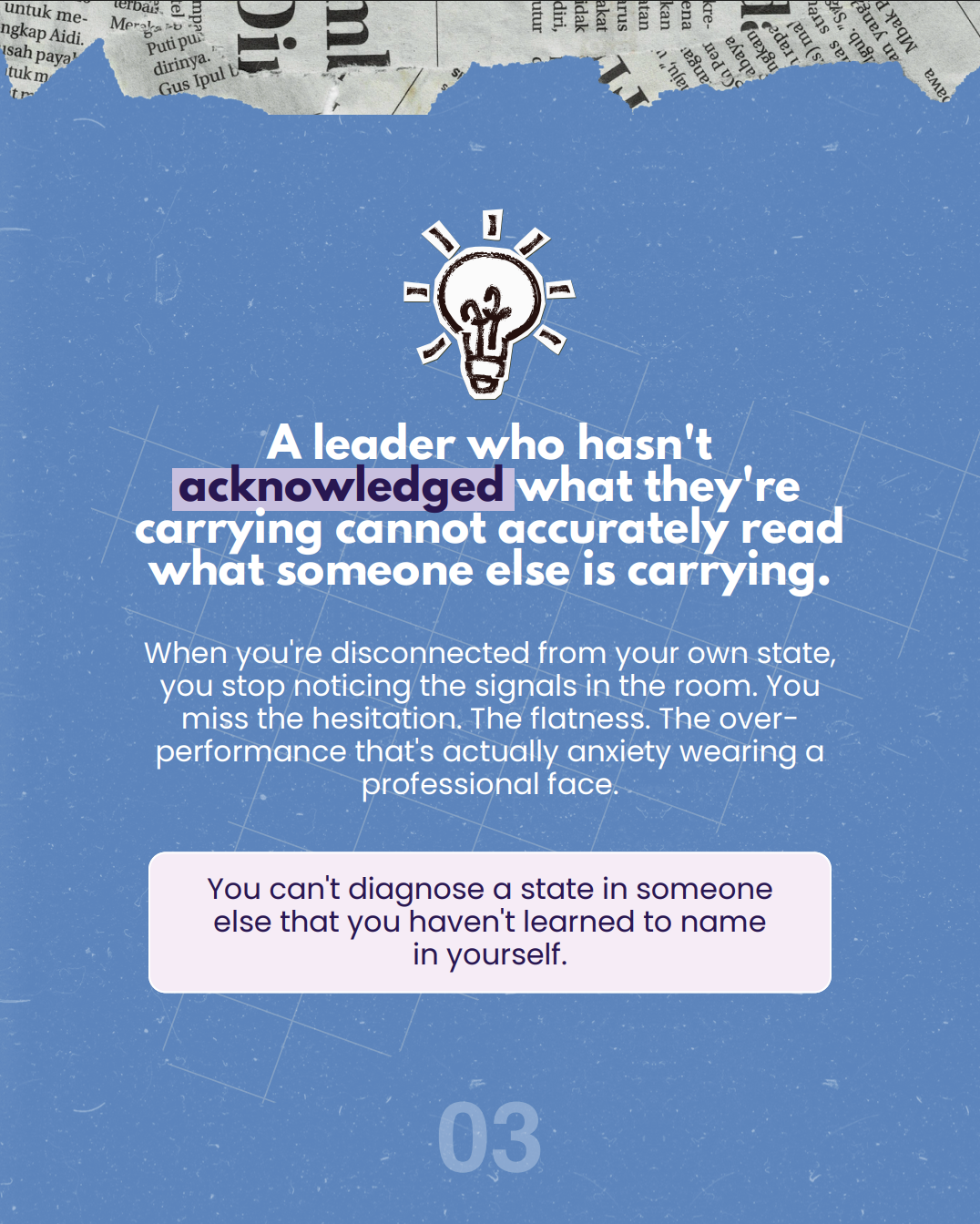
A leader who has not acknowledged what they are carrying has a harder time reading what someone else is carrying. When you are disconnected from your own state, your attention narrows to whatever is urgent for you, and small signals in the room go unregistered. In practice, that can mean missing:
- The hesitation. The half-second pause before a team member says “no problem” to a deadline that is clearly a problem.
- The flatness. The colleague who used to challenge ideas and now simply agrees.
- The over-performance. The report that arrives early, flawless and slightly too eager, which can be anxiety wearing a professional face rather than confidence.
- The quiet. Meetings with fewer questions, slower replies, and ideas that stop arriving.
None of these proves anything on its own. Each is a prompt to ask a question, not a conclusion to act on. But together they are often the earliest visible sign of employee disengagement, long before a resignation letter. What popular conversation calls quiet quitting is often simply psychological detachment: people who continue to fulfill the minimum requirements of their role while quietly stepping back from contributing extra energy or ideas.
This is why a leader’s own state matters to the team. A manager’s daily behaviors, presence, and adaptability heavily determine the team’s level of trust and engagement. If a manager’s attention is the main instrument for noticing disengagement, a manager running on empty is working with a dulled one.
“You can’t diagnose in your team what you haven’t learned to name in yourself”
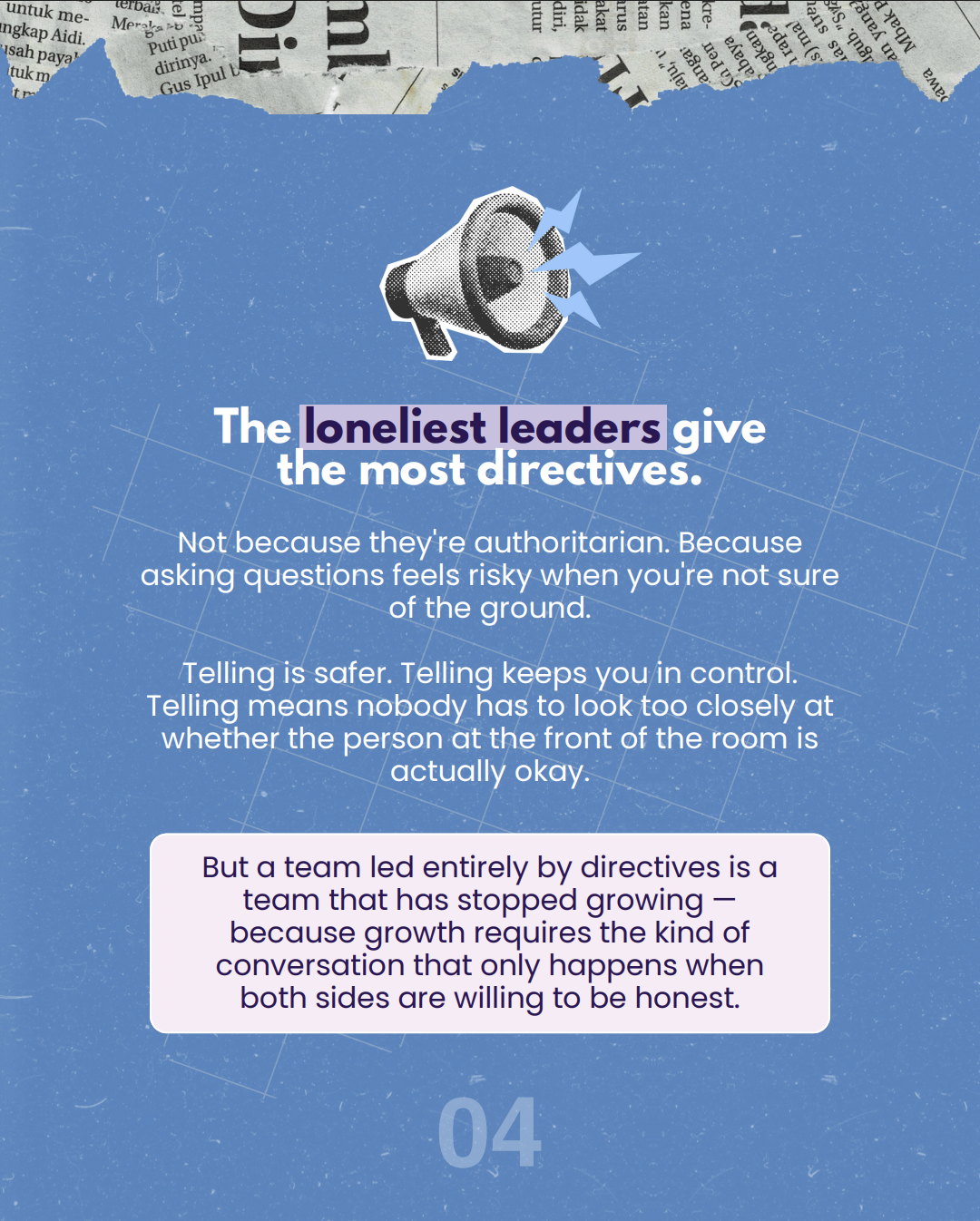
How It Plays Out: Why Telling Becomes the Safe Default
When stress builds, issuing directives offers Joseph control and predictability, keeping conversations on safe ground so no one scrutinizes his own uncertainty.
In Situational Leadership®, Telling provides clear direction for new tasks. However, defaulting to Telling out of personal comfort rather than performance readiness mirrors the risks in Your Best Manager Might Be Your Next Resignation, leading to isolated manager burnout as they shoulder every directive alone.
This approach hurts capable team members with low confidence or motivation who need participating conversations, built on shared problem-solving and listening rather than pure instruction.
Ultimately, directive-heavy teams stop growing because reliance on commands discourages two-way honesty and upward communication.

What to Avoid, and What to Do Instead
Leadership does not require having all the answers, but staying honest about where you are so you can see where your team is. Avoid these four mistakes:
- Performing “fine” for everyone. Instead: Find safe spaces to be unedited, such as with peers, mentors, or an executive coach, and use self-reflection and open discussion for stress management.
- Venting downward to direct reports. Instead: Practice structured, proportional transparency rather than unloading on your team.
- Mistaking calm for health. Instead: Diagnose team engagement and evaluate task-specific competence and confidence before providing direction.
- Waiting for a crisis to ask for support. Instead: Proactively establish support structures and peer cohorts before high-pressure periods hit.
Ultimately, leadership comes down to regularly checking what you are carrying and having the confidence to say, “I don’t have every answer right now, but we will navigate it together.”
Moving Forward Together
Leadership loneliness is a natural consequence of carrying ultimate accountability. Building a more supportive environment doesn’t require sweeping overhauls overnight. It begins with creating spaces where managers can speak candidly, refine their approach, and learn how to improve team engagement through adaptive, practical frameworks like Situational Leadership®.
At the Center for Leadership Studies (Asia), we partner with organizations across the region to equip leaders at every level with the tools needed to foster psychological safety and build high-performing teams.
Ready to empower your managers and build stronger teams? Visit cls-asia.net to learn more about our leadership development programs, or connect directly with our team on WhatsApp at +65 9134 8448.