

Leadership Challenge: How to Become a More Balanced Leader?
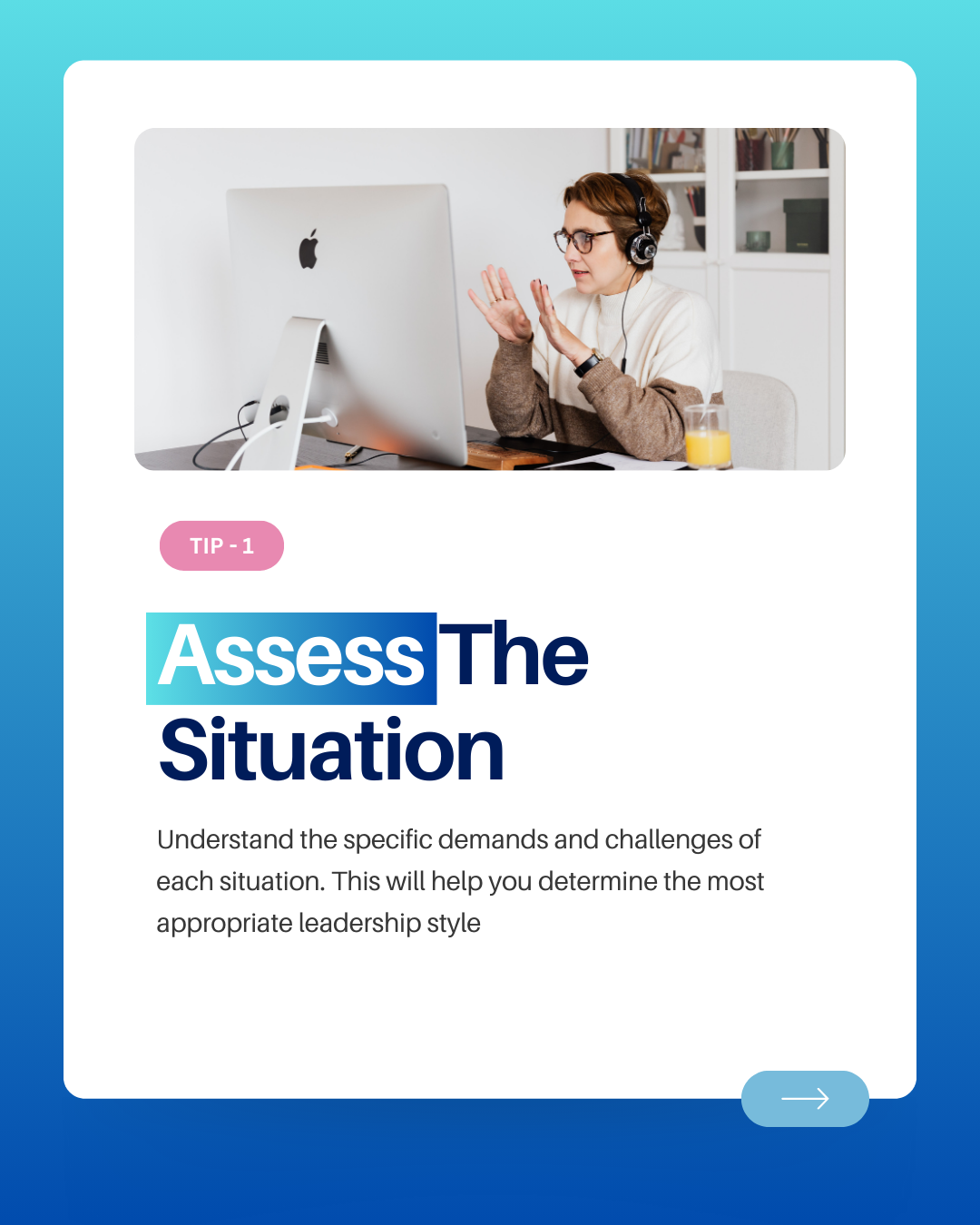
1. Assess the Situation
Understand the specific demands and challenges of each situation. This will help you determine the most appropriate Leadership Style. Assessing the situation involves understanding the task complexity, team readiness, time constraints, external factors, and individual needs. By evaluating these elements, leaders can choose the most appropriate leadership style, ensuring that their approach is tailored to the specific demands of the moment. This flexibility allows leaders to adapt and effectively guide their team based on the unique circumstances at hand.
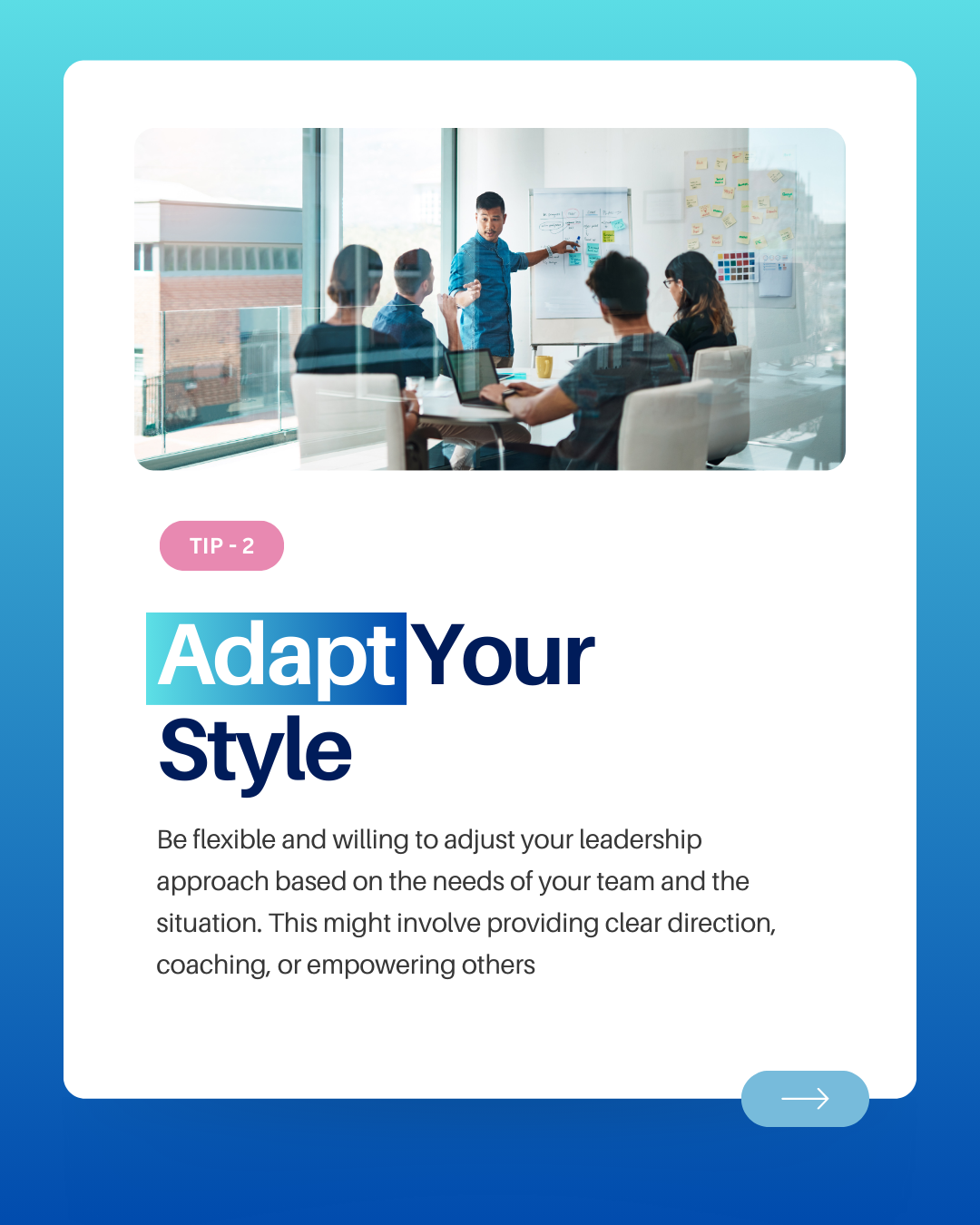
2. Adapt Your Style
Be flexible and willing to adjust your leadership approach based on the needs of your team and the situation. This might involve providing clear direction, coaching or empowering others. Adapting your leadership style means being flexible and responsive to the needs of your team and the situation. Depending on the team’s skill level and the task complexity, you may need to provide clear, directive guidance, offer coaching and support, or empower team members to take ownership and make decisions. This adaptability ensures that your leadership is always aligned with the team’s development and the challenges they face, fostering growth and maintaining effectiveness.

3. Prioritize Self-Care
Even in demanding situation, it’s essential to take care of yourself. Make time to rest, relaxation, and activities that help you recharge. In any leadership role, especially during demanding situations, it’s crucial to prioritize self-care. Taking time to rest, relax, and engage in activities that recharge you helps maintain your physical and mental well-being. By doing so, you ensure that you’re able to lead with energy, clarity, and resilience, ultimately being more effective in guiding your team through challenges.
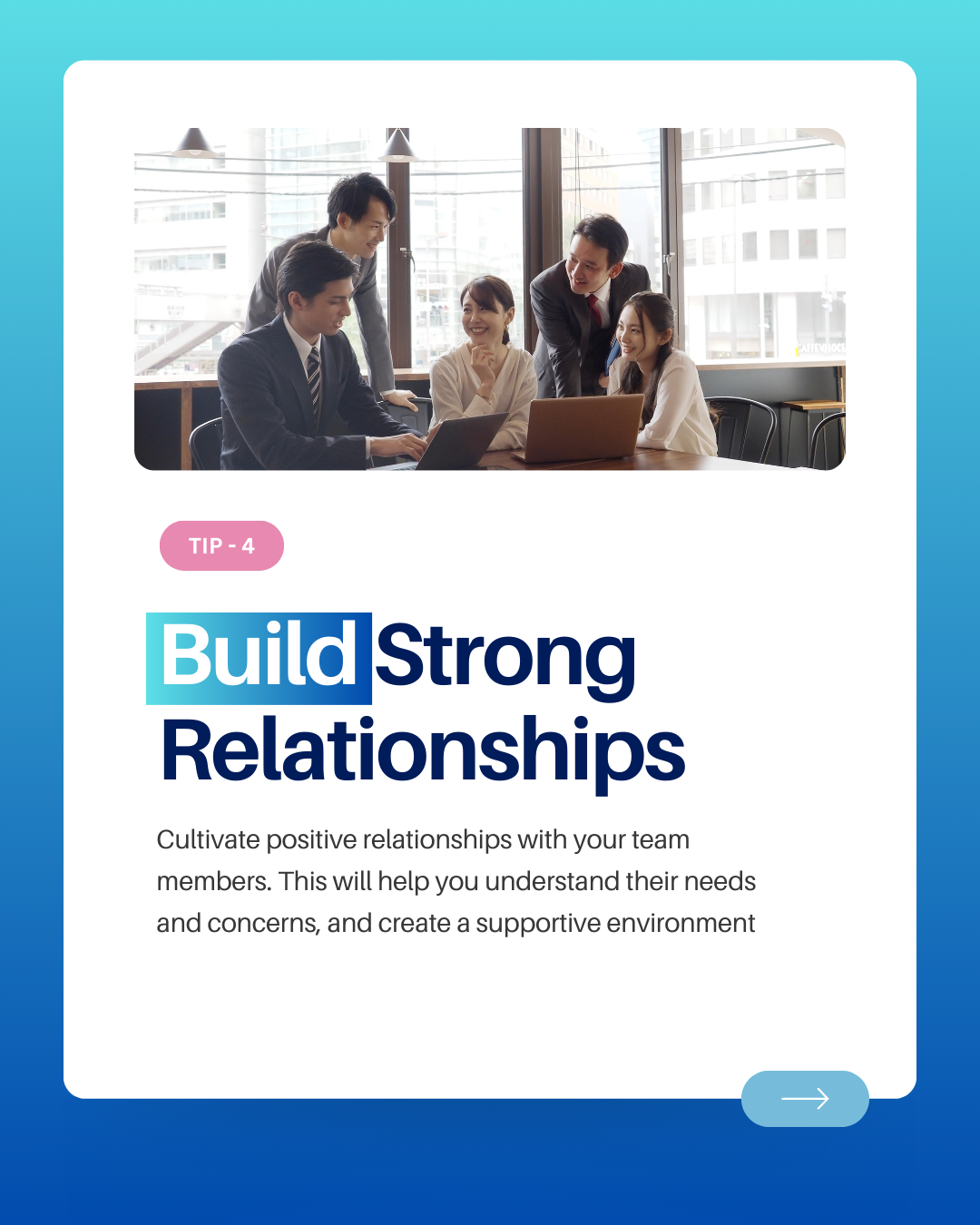
4. Build Strong Relationships
Cultivate positive relationships with your team members. This will help you understand their needs and concerns, and create a supportive environment. Building strong relationships with your team fosters trust and open communication. By understanding their needs, concerns, and motivations, you create a supportive environment where team members feel valued and heard. This not only boosts morale but also enhances collaboration and effectiveness, enabling you to lead more successfully.
Situational Leadership® requires assessing the situation, adapting your leadership style to team needs, prioritizing self-care, and building strong relationships to effectively guide and support your team.

How do you balance leadership in situational context? Let’s explore the many shades together.